Allocate your capital into the strongest market sectors. Sector rankings, industry trends, and rotation signals to pinpoint exactly where the money is flowing. Optimize your sector allocation with expert analysis and strategic recommendations. Inflation accelerated sharply in April, with consumer prices rising 3.8% year-over-year—the highest level since late 2023. Surging gasoline costs were the primary driver, pushing the overall price gauge to its hottest reading in nearly three years and adding fresh pressure on household budgets.
Live News
The Bureau of Labor Statistics reported that the Consumer Price Index (CPI) jumped 3.8% in April compared to the same month a year ago, marking the steepest annual increase since November 2023. On a monthly basis, prices rose 0.4%, exceeding economists’ expectations of a 0.3% gain.
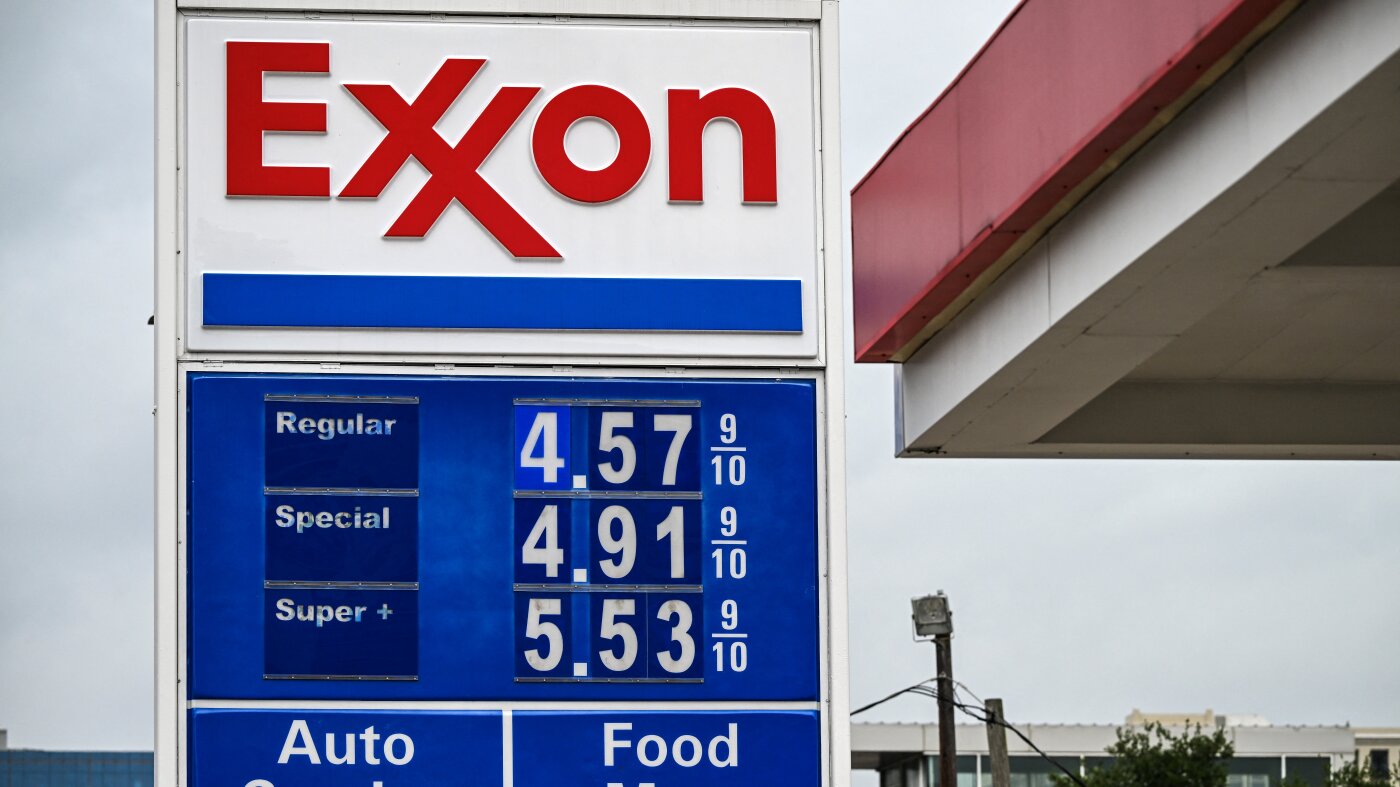
Gasoline prices led the surge, climbing 5.6% month-over-month and accounting for more than half of the overall CPI increase. The national average for a gallon of regular gas recently hit levels not seen since mid-2023, reflecting rising crude oil costs and seasonal demand shifts.
Other categories also posted notable gains. Shelter costs remained elevated, rising 0.4% from March, while food prices edged up 0.2% as grocery staples like eggs and dairy products became more expensive. Used car and truck prices increased 1.8%, reversing several months of declines.
Core inflation, which excludes volatile food and energy prices, rose 3.6% year-over-year, slightly above the 3.5% reading in March. This suggests that underlying price pressures remain stubbornly high even after stripping out volatile components.
The data represents a setback for the Federal Reserve, which has been attempting to bring inflation down to its 2% target. Markets now expect the central bank to maintain elevated interest rates for longer, with the first rate cut potentially delayed until later in 2026.
Inflation Surges to Highest Level Since 2023 as Gasoline Prices Drive Consumer Costs HigherSeasonal and cyclical patterns remain relevant for certain asset classes. Professionals factor in recurring trends, such as commodity harvest cycles or fiscal year reporting periods, to optimize entry points and mitigate timing risk.The interplay between macroeconomic factors and market trends is a critical consideration. Changes in interest rates, inflation expectations, and fiscal policy can influence investor sentiment and create ripple effects across sectors. Staying informed about broader economic conditions supports more strategic planning.Inflation Surges to Highest Level Since 2023 as Gasoline Prices Drive Consumer Costs HigherGlobal macro trends can influence seemingly unrelated markets. Awareness of these trends allows traders to anticipate indirect effects and adjust their positions accordingly.
Key Highlights
- The April CPI reading of 3.8% is the highest since November 2023, reflecting broad-based price increases across multiple sectors.
- Gasoline prices surged 5.6% month-over-month, contributing over half of the overall inflation gain. This marks the biggest monthly jump in fuel costs since early 2023.
- Shelter costs continued to rise at a 0.4% monthly pace, keeping housing affordability strained for renters and homeowners alike.
- Core inflation held at 3.6% year-over-year, indicating that underlying price pressures remain persistent despite the Fed’s aggressive rate hikes over the past two years.
- The data adds to concerns that inflation may be more entrenched than previously anticipated, potentially forcing the Fed to keep interest rates at current levels or even consider further hikes.
Inflation Surges to Highest Level Since 2023 as Gasoline Prices Drive Consumer Costs HigherCross-market monitoring allows investors to see potential ripple effects. Commodity price swings, for example, may influence industrial or energy equities.Many traders use scenario planning based on historical volatility. This allows them to estimate potential drawdowns or gains under different conditions.Inflation Surges to Highest Level Since 2023 as Gasoline Prices Drive Consumer Costs HigherObserving correlations between markets can reveal hidden opportunities. For example, energy price shifts may precede changes in industrial equities, providing actionable insight.
Expert Insights
Financial analysts are closely watching the latest inflation figures for signs of whether the recent acceleration is a temporary blip or a sustained trend. The sharp rise in gasoline costs, which are often volatile, may moderate in the coming months if oil prices ease. However, the persistence of core inflation suggests that broader price pressures may take longer to subside.
From an investment perspective, the data could lead to increased market volatility in the near term. Sectors sensitive to interest rates—such as real estate, utilities, and consumer discretionary—may face headwinds as the likelihood of rate cuts recedes. Conversely, energy producers could benefit from continued high fuel prices.
Economists caution that the Fed will need to see several months of moderation before considering any policy easing. The central bank’s next meeting in June will be closely scrutinized for updated projections on inflation and interest rates. For now, investors are adjusting their portfolios to account for a “higher for longer” rate environment, with fixed-income yields potentially rising further as bond markets price in a delayed easing cycle.
Inflation Surges to Highest Level Since 2023 as Gasoline Prices Drive Consumer Costs HigherInvestor psychology plays a pivotal role in market outcomes. Herd behavior, overconfidence, and loss aversion often drive price swings that deviate from fundamental values. Recognizing these behavioral patterns allows experienced traders to capitalize on mispricings while maintaining a disciplined approach.Observing market correlations can reveal underlying structural changes. For example, shifts in energy prices might signal broader economic developments.Inflation Surges to Highest Level Since 2023 as Gasoline Prices Drive Consumer Costs HigherSome investors integrate technical signals with fundamental analysis. The combination helps balance short-term opportunities with long-term portfolio health.